Get Fallen Branch Removal
Fallen Branch Removal services help property owners clear and safely remove fallen or hazardous branches caused by storms or decay, often involving cleanup and debris hauling.
Fallen branches can pose safety hazards, obstruct pathways, or cause damage to property structures. Property owners in the area may find it beneficial to explore professional fallen branch removal services to maintain a safe and well-kept outdoor space. Whether managing storm debris or clearing overgrown areas, local contractors offer practical solutions tailored to individual needs, making it easier to plan and execute cleanup projects effectively.
Comparing options from trusted local service providers can help property owners identify the right approach for their specific circumstances. Many local contractors specialize in efficient fallen branch removal, helping to restore safety and accessibility to outdoor environments. Continuing to explore available services can provide valuable insights into the most suitable solutions for maintaining a healthy, hazard-free property.
- Dead or diseased tree removal - when a tree poses a risk of falling or spreading disease to nearby plants.
- Storm-damaged branch cleanup - after a storm has caused branches to break or become hazardous.
- Overgrown tree pruning and trimming - to maintain tree health and prevent branches from obstructing structures or power lines.
- Emergency fallen branch removal - when fallen branches block driveways, pathways, or pose safety hazards.
- Selective branch thinning - to improve tree stability and reduce the likelihood of future branch failure.
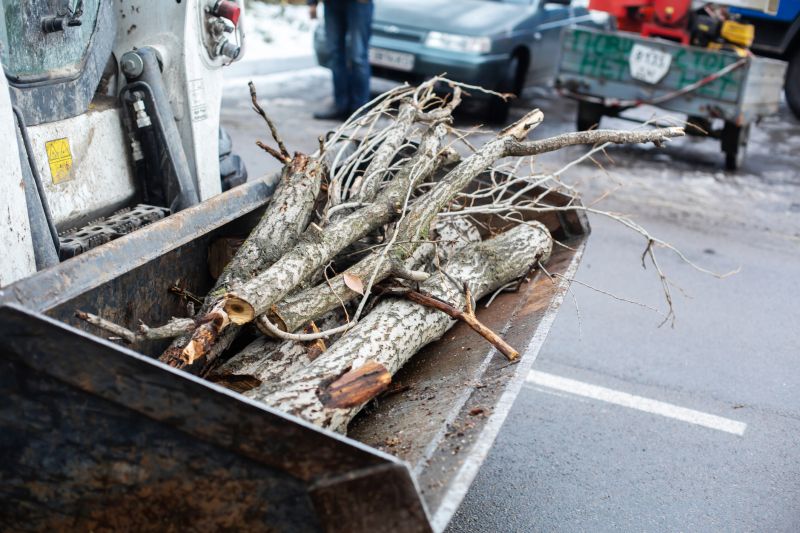
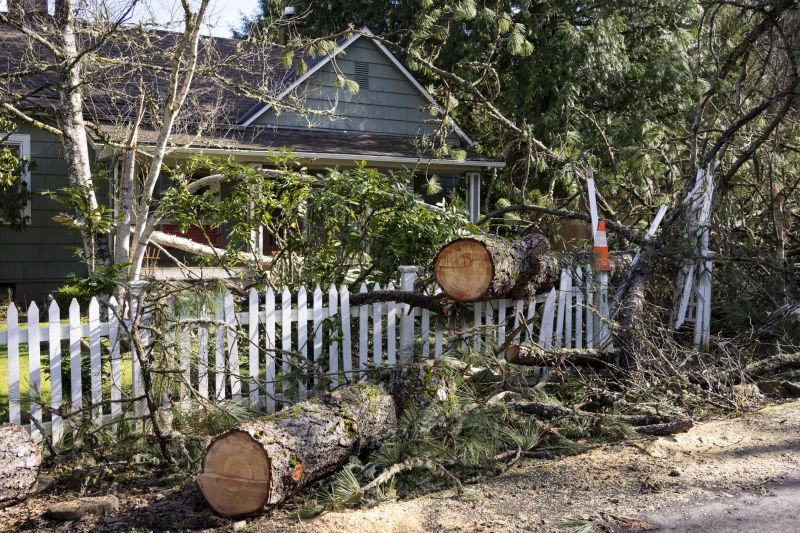
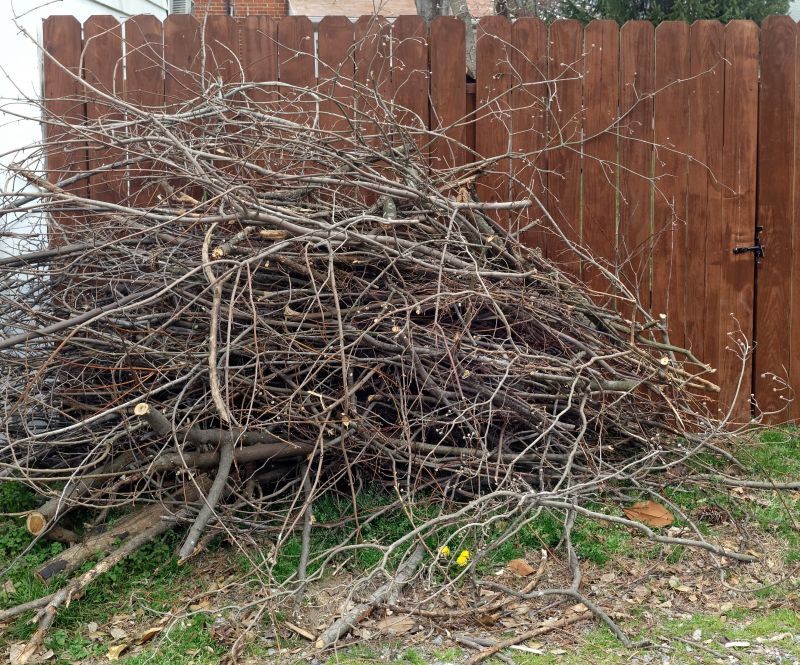
Fallen branch removal services involve the safe and efficient clearing of branches that have broken off or fallen from trees onto a property. This work typically includes the careful assessment of the affected area, the removal of debris, and the disposal of branches to restore safety and accessibility. These services are essential when storm damage, high winds, or natural decay cause branches to become loose or hazardous, preventing potential injuries or property damage.
This service helps address common problems such as obstructed pathways, damaged landscaping, and risks posed by unstable branches. Overgrown or weakened branches can pose a threat to structures, vehicles, and pedestrians, especially during severe weather events. Fallen branch removal ensures that these hazards are promptly managed, reducing the likelihood of further damage or injury and helping maintain a safe outdoor environment.
Fallen branch removal is often needed on residential properties, including single-family homes, as well as on larger estates and commercial sites. Properties with mature or large trees are more prone to experiencing fallen branches, especially in areas prone to storms or high winds. Homeowners and property managers typically seek these services to keep their outdoor space safe, clean, and visually appealing, particularly after storm events or during regular tree maintenance routines.
Local contractors who specialize in fallen branch removal are equipped to handle a variety of situations, from small yard debris to large, heavy branches that require specialized equipment. They can assess the severity of the situation, remove debris efficiently, and ensure that the property remains safe and accessible. Contacting experienced service providers can help property owners resolve fallen branch issues quickly and effectively, maintaining the safety and appearance of their outdoor spaces.
The overview below groups typical Fallen Branch Removal projects into broad ranges so you can see how smaller, mid-sized, and larger jobs often compare in your area.
In many markets, a large share of routine jobs stays in the lower and middle ranges, while only a smaller percentage of projects moves into the highest bands when the work is more complex or site conditions are harder than average.
Smaller Repairs - fixing or removing a single fallen branch typically costs between $50 and $150. Most routine jobs fall within this range, depending on the size and accessibility of the branch.
Moderate Removal - removing multiple fallen branches or smaller sections of a tree can range from $200 to $600. Many projects in this category are straightforward, though larger jobs may cost more.
Large Tree Debris Cleanup - clearing extensive fallen branches or debris from larger trees often costs between $600 and $1,500. Such jobs are less common but can involve significant labor and equipment.
Full Tree or Major Branch Removal - complete removal of a large tree or significant branch work can reach $2,500 or more. These projects are less frequent and typically involve complex, high-risk work handled by experienced local contractors.
Actual totals will depend on details like access to the work area, the scope of the project, and the materials selected, so use these as general starting points rather than exact figures.
Tree Trimming and Pruning - this service involves removing branches to promote tree health and safety, utilizing similar tools and planning as fallen branch removal.
Storm Damage Cleanup - professionals handle clearing debris and fallen branches after storms, requiring similar skills in debris removal and site assessment.
Land Clearing Services - involves removing brush, small trees, and debris to prepare land for development, sharing techniques with fallen branch removal.
Emergency Tree Removal - entails quickly removing hazardous trees or branches that pose safety risks, requiring expertise in safe removal methods.
Brush and Debris Removal - includes clearing yard waste and unwanted vegetation, utilizing comparable tools and planning as fallen branch cleanup.
Tree Cabling and Bracing - involves installing supports to stabilize weak branches or trees, requiring knowledge of tree structure and planning similar to branch removal projects.
When comparing service providers for fallen branch removal, it’s important to consider their experience with similar projects. Look for local contractors who have a proven track record in handling tree debris cleanup and removal tasks comparable to your situation. An experienced professional will understand the nuances of safely and efficiently removing fallen branches, ensuring the work is completed properly and with minimal disruption to your property.
Clear, written expectations are essential to ensure both parties are aligned on the scope of work. When reaching out to local pros, inquire about their process, what is included in their service, and any specific details relevant to your property. Having a detailed description of what will be done helps prevent misunderstandings and provides a benchmark for evaluating proposals. Reputable service providers will be transparent about their procedures and provide written estimates or plans that outline the work involved.
Good communication and reputable references are key factors to consider when selecting a fallen branch removal specialist. Service providers who are responsive to questions and willing to provide references from past clients demonstrate professionalism and reliability. Checking references can give insight into their track record, punctuality, and quality of work. Remember, the goal is to find local contractors who are easy to work with, communicate clearly, and have a history of satisfied customers, ensuring a smooth and successful project.
Property owners use Fallen Branch Removal services for practical projects around their homes and businesses. This guide focuses on everyday jobs and straightforward project options.
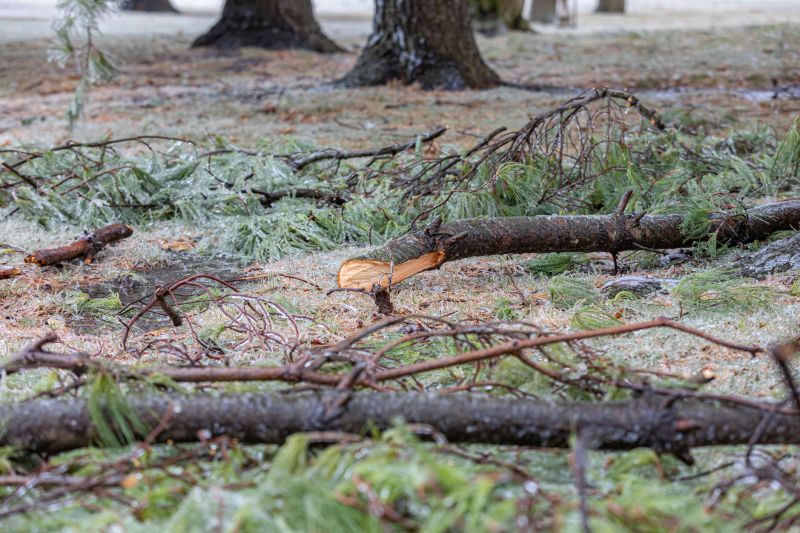
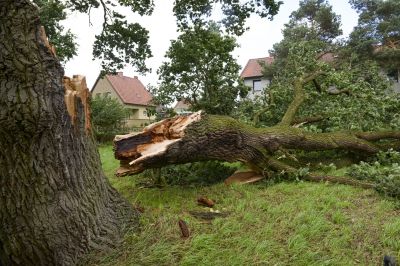
Fallen branches are a common issue for property owners, especially after storms or heavy winds. These debris can clutter lawns, driveways, and outdoor spaces, creating safety hazards or obstructing pathways. Local contractors who specialize in fallen branch removal can efficiently clear away debris, helping to restore a tidy and safe environment for residents and visitors alike.
In addition to storm-related incidents, overgrown trees and weak branches may pose ongoing risks to properties. Regular removal of fallen or problematic branches can prevent damage to fences, roofs, and landscaping. Service providers in the area are equipped to handle these routine maintenance tasks, ensuring that properties remain safe and well-maintained throughout the year.
What is fallen branch removal service? Fallen branch removal involves clearing away broken or fallen branches from trees to maintain safety and prevent property damage.
Why should I consider professional fallen branch removal? Professionals can efficiently and safely remove branches, reducing the risk of injury or damage to your property.
How do local contractors handle fallen branch removal? They typically assess the situation, then use appropriate tools and techniques to safely remove and dispose of the branches.
Can fallen branch removal help prevent future tree issues? Yes, regular removal of dead or overhanging branches can promote healthier tree growth and reduce the risk of future falls.
What should I look for in a fallen branch removal service provider? Look for experienced local contractors with good reviews and proper equipment to handle your specific needs.
Yard Cleanup and Maintenance - Fallen branches can clutter lawns and gardens, making outdoor spaces safer and more inviting for everyday use.
Storm Damage Clearing - After a storm, property owners may need help removing fallen branches that pose hazards or block pathways.
Tree and Branch Removal - When branches become overgrown or threaten structures, local contractors can safely trim or remove them to protect the property.
Property Beautification Projects - Clearing fallen branches can prepare outdoor areas for landscaping, gardening, or outdoor gatherings.
If you are thinking about Fallen Branch Removal for a property, this guide is meant to help you understand the work, the typical project types, and how different options might fit your plans.
When you are ready, you can use the quote form on this page to share a few details about your project. From there, local pros can review the basics and respond with options that match what you have in mind.